
Low-dose radiation therapy for benign inflammatory and degenerative musculoskeletal conditions is supported by more than 20,000 cases documented in peer-reviewed literature spanning over a century of clinical use. European radiation oncology has employed LDRT for musculoskeletal indications since the early 1900s; Germany alone treats more than 15,000 osteoarthritis patients annually with LDRT as a covered, standardized therapy under national DEGRO guidelines.
Our treatment
Low Dose Radiation Therapy for Chronic Inflammation.
Low Dose Radiation Therapy (LDRT) is a non-invasive, clinically guided treatment designed to reduce inflammation and relieve chronic pain. Backed by decades of international research and delivered under physician oversight, LDRT offers a safe, evidence-based complementary treatment to other traditional interventions.
Research-Supported Therapy
Physician-Guided Treatment Model
Non-Invasive Pain Innovation
Decades of International Clinical Use
Research-Supported Therapy
Physician-Guided Treatment Model
Non-Invasive Pain Innovation
Decades of International Clinical Use
Behind the technology
A Research-Supported Approach to Pain Relief.
While radiation is most commonly associated with oncology, low-dose radiation has been safely used for decades to treat benign inflammatory conditions. LDRT uses carefully calibrated doses to target inflamed tissue, helping regulate the body’s inflammatory response without damaging surrounding healthy structures.
Our treatment
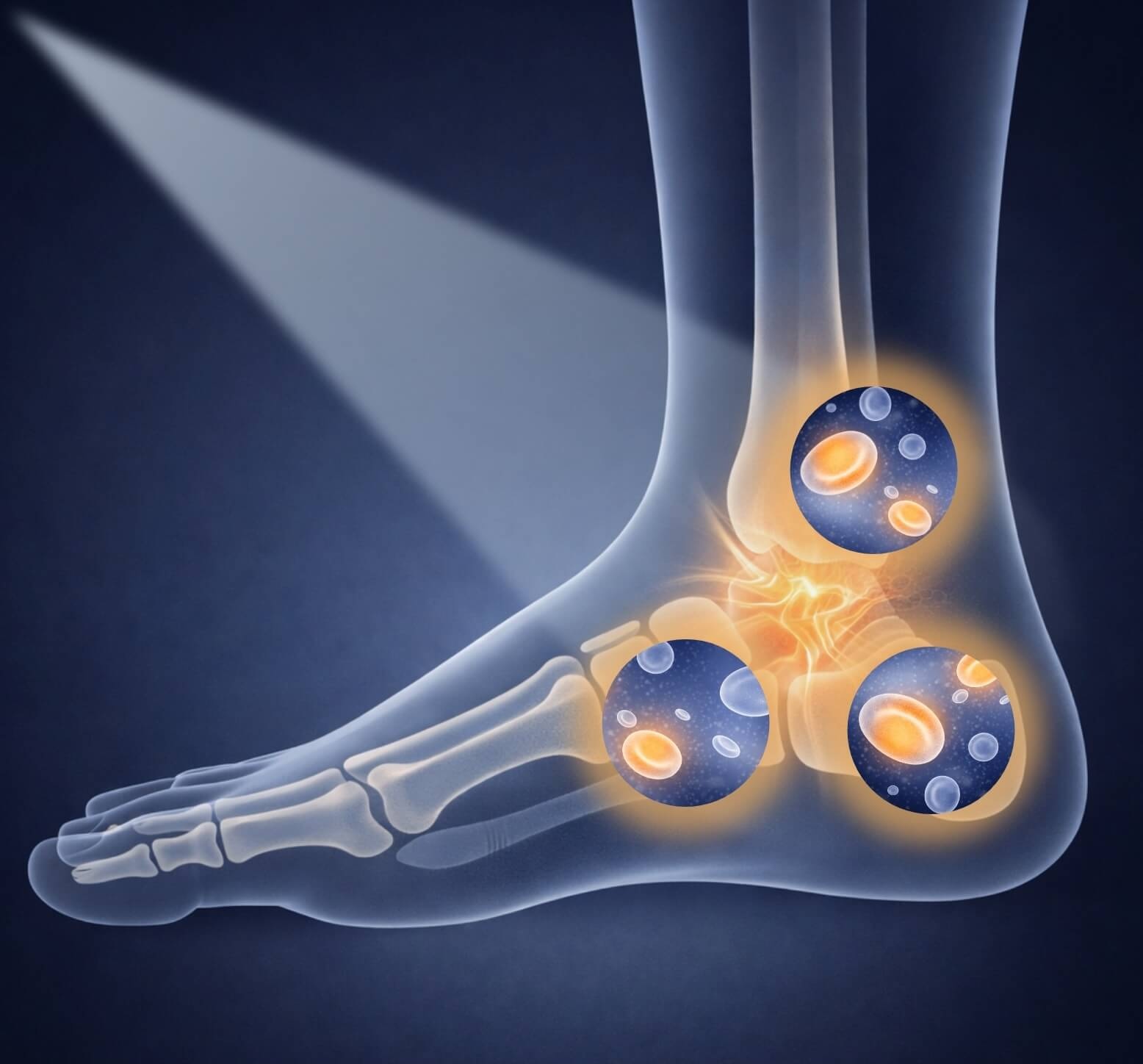
Targeted Therapy at the Cellular Level.
Chronic pain is often driven by persistent inflammation within joints, tendons, and surrounding soft tissue. LDRT delivers precise, low-dose radiation directly to the affected area, interrupting inflammatory signaling pathways and reducing the activity of pro-inflammatory cells.
This modulation helps decrease swelling, reduce pain sensitivity, and support improved joint mobility over time. Treatments are brief, painless, and administered on an outpatient basis, with no anesthesia or recovery period required.
Conditions Treated
Focused Relief for Chronic Inflammatory Conditions.
-
Osteoarthritis
LDRT may help reduce joint pain, stiffness, and inflammation associated with osteoarthritis. By targeting the inflammatory process, treatment can improve daily mobility and potentially delay the need for more invasive interventions.
-
Plantar Fasciitis
For patients with persistent heel pain, LDRT offers a non-surgical approach to reducing inflammation within the plantar fascia. It may provide meaningful relief when traditional therapies have been unsuccessful.
-
Tendonitis & More
Chronic tendon inflammation can limit movement and function. LDRT works to calm inflammatory activity within affected tendons, supporting improved comfort and long-term functional outcomes.
LDRT is also commonly used to treat bursitis of the foot and ankle, heel spur syndrome, ledderhose disease / plantar fibromatosis, hallux rigidus, and more.



Why Low Dose Radiation Therapy
A Non-Invasive
Alternative to Surgery.
Low Dose Radiation Therapy offers a safe, outpatient solution for patients seeking meaningful relief from chronic pain. With minimal side effects and no downtime, LDRT provides a practical treatment pathway grounded in clinical research.
-
Non-Surgical Treatment
LDRT offers meaningful relief without the need for invasive procedures or anesthesia.
-
Outpatient & Convenient
Treatment sessions are brief and allow patients to return to normal activities the same day.
-
Minimal Side Effects
Low-dose protocols are well tolerated and supported by a strong clinical safety profile.
-
May Reduce Medication Use
For some patients, LDRT may reduce reliance on long-term pain medications.
-
May Delay Joint Replacement
For some patients, LDRT may help postpone the need for surgical intervention.
-
Insurance Accepted
LDRT is covered by Medicare and many major insurance plans for eligible conditions.






What to Expect During Treatment
The LDRT Process
Consultation
Treatment begins with a comprehensive evaluation by a board-certified radiation medicine physician. During this consultation, your medical history, imaging, prior treatments, and current symptoms are reviewed to determine whether Low Dose Radiation Therapy is clinically appropriate for your condition.

Treatment Plan
If LDRT is recommended, a personalized treatment plan is developed based on the affected area and severity of inflammation. Most patients receive a series of 6–10 short sessions delivered over several weeks to achieve optimal therapeutic response.

Procedure
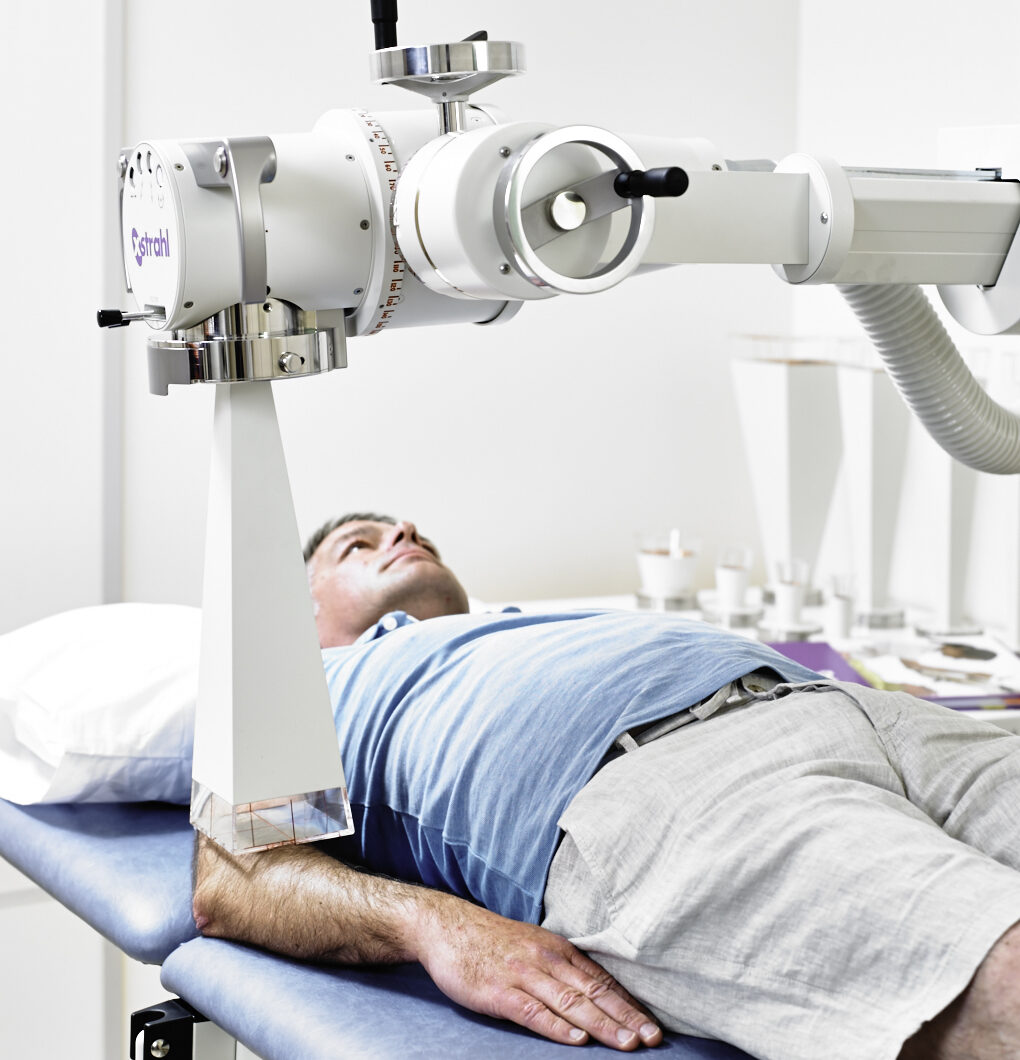
Each session is brief and completely painless. Low-dose radiation is precisely delivered to the targeted area using specialized equipment, with careful calibration to ensure surrounding healthy tissue is protected. No anesthesia or sedation is required.
Recovery
There is no downtime following treatment. Patients can immediately return to normal daily activities, including work and light exercise, without restrictions or recovery protocols.

Results
Relief may begin gradually within weeks of completing treatment, with continued improvement over several months as inflammation subsides. Many patients experience meaningful reductions in pain and improvements in mobility and overall quality of life.

Need more information
Frequently asked questions.
Partner With Healios
Expand Your Practice with Advanced Pain Solutions.
Discover how Low Dose Radiation Therapy (LDRT) can complement your existing treatment strategies for chronic inflammatory and degenerative conditions. Connect with our team to explore how this research-supported, non-invasive option can enhance care within your practice.